






|




|
Mission:
SnowCap Community Charities is a philanthropic organization created to provide food, clothing, advocacy and other services to our neighbors in need.
|

|
|

|
|
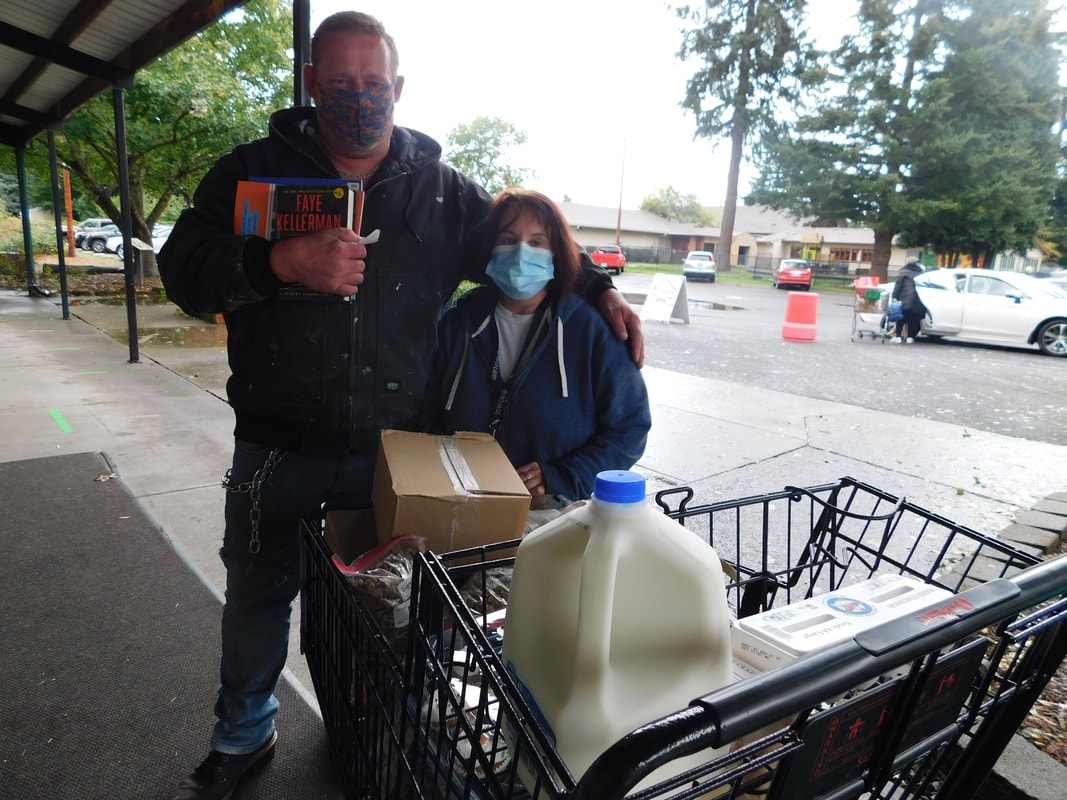
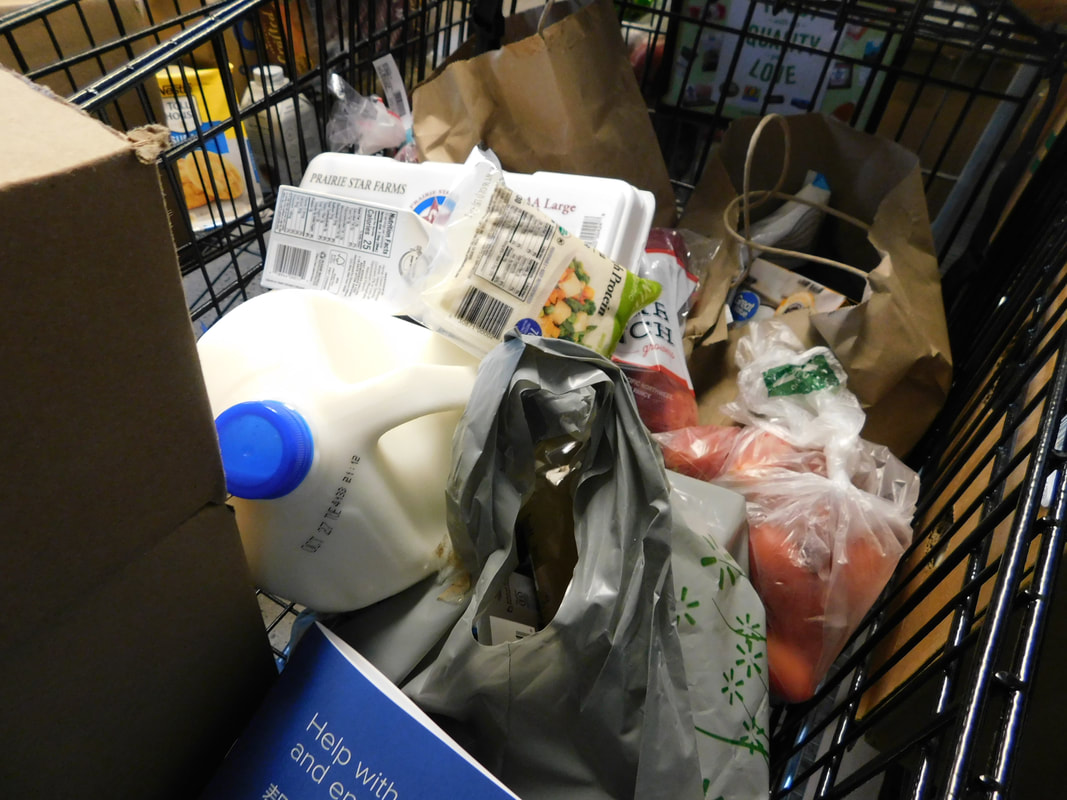
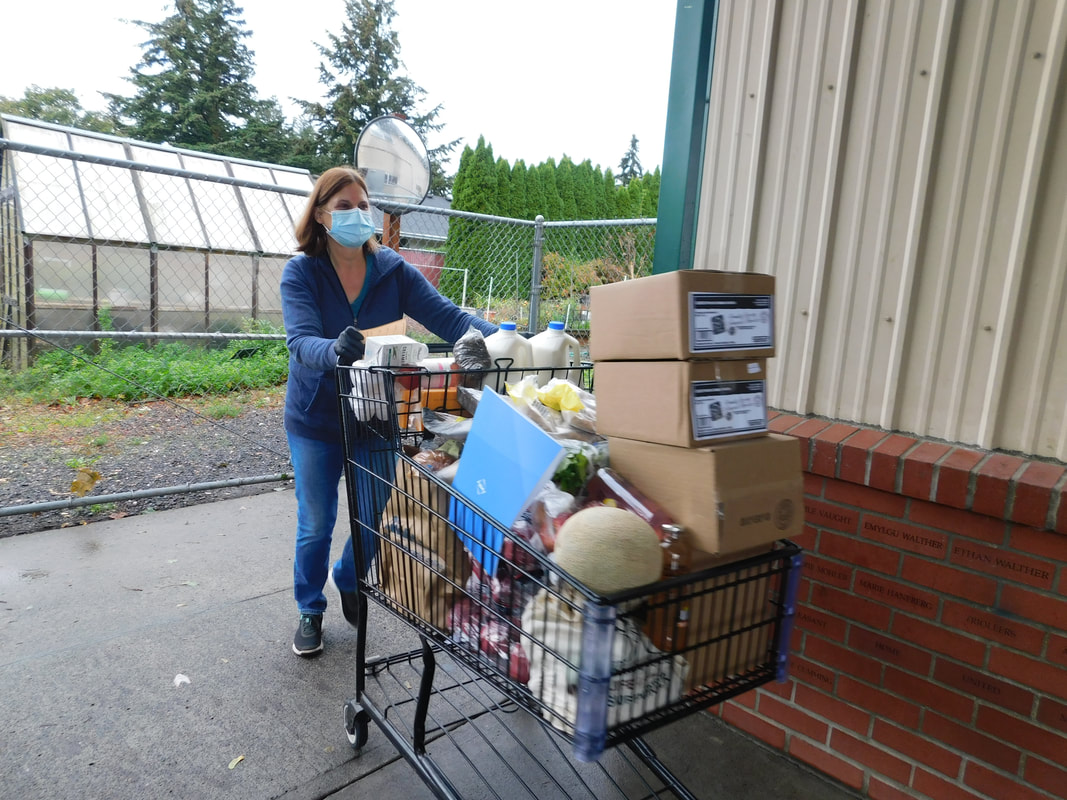
Food AssistanceSnowCap's Food Pantry is OPEN and Ready to Serve!
|
"With so many places closed, it's a blessing to know you are still open."
- recent client How you can help...
|
SnowCap's Mailing Address:
PO Box 160
Fairview, OR 97024
Open Hearts, Open Hands Food assistance is available at SnowCap's pantry every weekday.
To visit the pantry, you will need to bring proof of address (POA) that is dated within the last 30 days. Usually, this is a utility bill or other postmarked mail received by the person at the address they list on their application. Please bring your own bags or boxes. SnowCap serves people who live east of 82nd and within Multnomah County, so POA is required for every visit. |

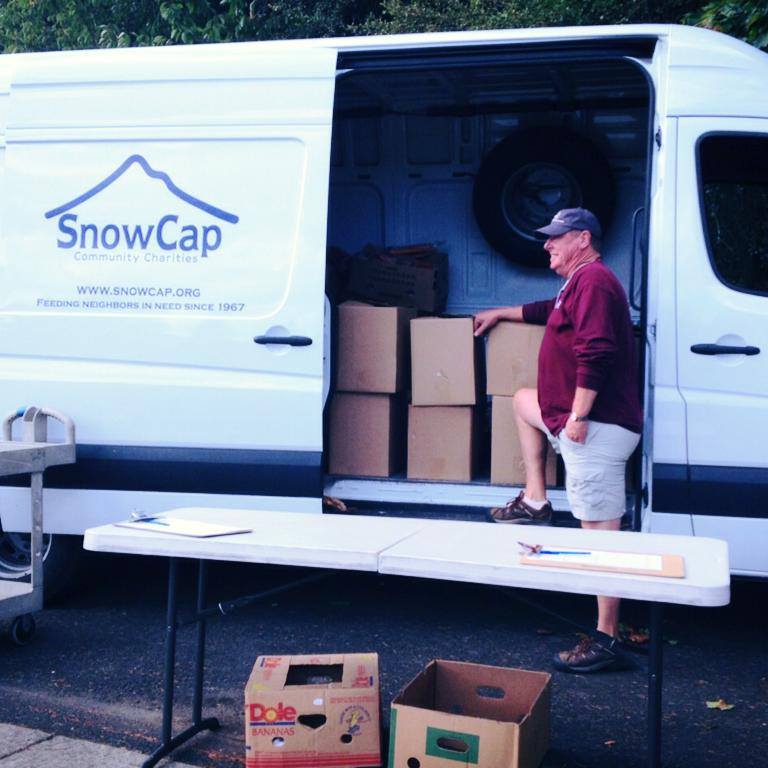
Neighbors Helping Neighbors since 1967
|
|
Hours of OperationSnowCap Trivia! |

Testimonials"We are eternally grateful and humbled by the generosity and humanity that SnowCap, its volunteers, and donors have shown us. Thank you from the bottom of our hearts!" "Thank you for what you do to take care of people in need. I know this isn't much, but I am happy to give what I can for such a worthy and important cause!" |
|
Gallery


Copyright © 2022
In accordance with federal law and US Department of Agriculture Policy, this institution is prohibited from discriminating on the basis of race, color, national origin, sex, age or disability.
SnowCap is an equal opportunity provider.
Donor Privacy:
SnowCap will not sell, share or trade our donors’ names or personal information with any other entity, nor send mailings to our donors on behalf of other organizations. This policy applies to all information received by SnowCap, both online and off line, on any platform (this refers to the website or any mobile applications that may be developed), as well as any electronic, written or oral communications. To the extent any donations are processed through a third-party service provider, our donors’ information will only be used for purposes necessary to process the donation.
In accordance with federal law and US Department of Agriculture Policy, this institution is prohibited from discriminating on the basis of race, color, national origin, sex, age or disability.
SnowCap is an equal opportunity provider.
Donor Privacy:
SnowCap will not sell, share or trade our donors’ names or personal information with any other entity, nor send mailings to our donors on behalf of other organizations. This policy applies to all information received by SnowCap, both online and off line, on any platform (this refers to the website or any mobile applications that may be developed), as well as any electronic, written or oral communications. To the extent any donations are processed through a third-party service provider, our donors’ information will only be used for purposes necessary to process the donation.